Senator Rush Dew Holt
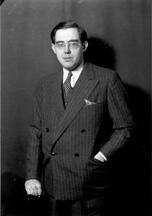
Here you will find contact information for Senator Rush Dew Holt, including email address, phone number, and mailing address.
| Name | Rush Dew Holt |
| Position | Senator |
| State | West Virginia |
| Party | Democratic |
| Status | Former Representative |
| Term Start | January 3, 1935 |
| Term End | January 3, 1941 |
| Terms Served | 1 |
| Born | June 19, 1905 |
| Gender | Male |
| Bioguide ID | H000749 |
About Senator Rush Dew Holt
Rush Dew Holt, commonly known as Rush Holt Sr., was an American politician who represented West Virginia in the United States Senate from 1935 to 1941. Born on June 19, 1905, in Weston, Lewis County, West Virginia, he emerged from a regional background that shaped his populist political outlook and his later prominence in national affairs. He was the father of Rush Holt Jr. (born 1948), an American physicist and politician who would later serve as a Representative from New Jersey, continuing the family’s involvement in public service.
Holt was raised in north-central West Virginia, where he attended local schools and became familiar with the economic and social concerns of a largely rural and working-class population. His early exposure to the political and economic issues of the state, particularly those affecting farmers and laborers, helped form the basis of his later advocacy in public office. Before entering national politics, he worked as a teacher and lecturer, experiences that honed his skills as a public speaker and helped build his reputation as an energetic and outspoken young reformer.
Educated in West Virginia institutions, Holt pursued higher learning at West Virginia University and other regional colleges, though he did not follow a conventional path to a professional degree. Instead, he combined his studies with work and public speaking, gaining attention for his ability to articulate the concerns of ordinary citizens. His education, both formal and self-directed, emphasized history, government, and public affairs, and prepared him for a career in politics at a relatively young age.
Holt’s political career developed rapidly in the early 1930s. A member of the Democratic Party, he aligned himself with progressive and populist currents that were gaining strength during the Great Depression. Capitalizing on widespread dissatisfaction with economic conditions and a desire for bold governmental action, he ran for the United States Senate from West Virginia in 1934. Although he was constitutionally too young to take office immediately upon election—he was elected at age 29, below the required age of 30—he won the seat and assumed office once he reached the constitutional age threshold. His election made him one of the youngest individuals ever chosen for the Senate, and it signaled a generational shift in West Virginia politics.
From 1935 to 1941, Holt served one term in the United States Senate, representing West Virginia during a critical period in American history marked by the New Deal and the approach of World War II. As a Democratic senator, he contributed to the legislative process and participated actively in debates over economic recovery, labor rights, and federal regulation. He was known for his independent streak and his willingness to challenge both political opponents and elements of his own party when he believed the interests of his constituents were at stake. During his tenure, he took part in the democratic process at the highest legislative level, working to represent the concerns of West Virginians in an era of profound national transformation.
Holt’s Senate service coincided with major New Deal initiatives and growing international tensions. While he supported many measures aimed at economic relief and reform, he also gained attention for his skepticism about certain aspects of federal power and, particularly, for his non-interventionist views as global conflict loomed. His positions on foreign policy and some New Deal programs sometimes placed him at odds with the Roosevelt administration and with more conservative elements in his home state, contributing to the political challenges he faced as his term progressed. After completing his single term in 1941, he did not return to the Senate, but his service left a distinct mark on West Virginia’s political history.
In later years, Holt remained engaged in public affairs and continued to be identified with the progressive and populist causes that had defined his Senate career. Although he did not again hold federal office, his example as a young, outspoken senator from a predominantly rural state influenced subsequent generations of West Virginia politicians. His legacy was further extended through his son, Rush Holt Jr., born in 1948, who became an American physicist and politician and served as a Representative from New Jersey, underscoring the family’s enduring connection to public service. Rush Dew Holt Sr. died on February 8, 1955, but his tenure from 1935 to 1941 as a Democratic senator from West Virginia remains a notable chapter in the political history of both his state and the nation.