Representative Samuel Leonard Crocker
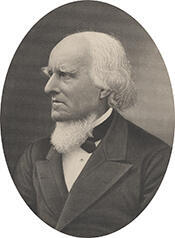
Here you will find contact information for Representative Samuel Leonard Crocker, including email address, phone number, and mailing address.
| Name | Samuel Leonard Crocker |
| Position | Representative |
| State | Massachusetts |
| District | 2 |
| Party | Whig |
| Status | Former Representative |
| Term Start | December 5, 1853 |
| Term End | March 3, 1855 |
| Terms Served | 1 |
| Born | March 31, 1804 |
| Gender | Male |
| Bioguide ID | C000917 |
About Representative Samuel Leonard Crocker
Samuel Leonard Crocker (March 31, 1804 – February 10, 1883) was a businessman, industrialist, and U.S. Representative from Taunton, Massachusetts. Born in Taunton, Bristol County, Massachusetts, he was a member of a prominent local family whose activities were closely tied to the early industrial development of the region. Raised in a community that was rapidly transforming from an agrarian town into a manufacturing center, Crocker came of age at a time when New England’s textile and iron industries were beginning to expand, shaping the course of his later business and public life.
Crocker pursued higher education at Brown University in Providence, Rhode Island, where he graduated in 1822. His education at Brown, one of the leading institutions in New England, provided him with a classical and commercial foundation that would serve him in both business and politics. Returning to Taunton after his studies, he entered into the commercial and manufacturing life of his native city, joining a generation of New England entrepreneurs who were building mills, foundries, and related enterprises that would define the region’s economy in the nineteenth century.
Throughout his life, Crocker engaged in various manufacturing and civic interests in Taunton and throughout Massachusetts. He became prominently involved in the city’s industrial growth, participating in enterprises that contributed to Taunton’s reputation as a center of iron, textile, and related manufacturing. His business activities placed him among the influential local leaders who helped guide the economic development of southeastern Massachusetts. In addition to his industrial pursuits, he took part in civic affairs, reflecting the close connection in that era between business leadership and public responsibility at the municipal and regional levels.
Crocker’s prominence in business and local affairs led naturally into a career in national politics. A member of the Whig Party, he was elected as a Whig to the United States House of Representatives and served as a Representative from Massachusetts in the Thirty-third Congress from 1853 to 1855. During his single term in office, he represented the interests of his constituents from Taunton and the surrounding area at a time of growing sectional tension in the United States. His service in Congress occurred during a significant period in American history, marked by debates over slavery, territorial expansion, and economic policy. As a member of the House of Representatives, Samuel Leonard Crocker contributed to the legislative process, participated in the democratic governance of the nation, and aligned with the Whig emphasis on economic development and internal improvements.
After the conclusion of his term in Congress in 1855, Crocker returned to his business and civic pursuits in Massachusetts. He continued to be identified with the industrial and commercial life of Taunton, maintaining his role as a leading figure in the community’s economic affairs. His post-congressional years were spent overseeing and advancing the manufacturing interests with which he had long been associated, and he remained an influential citizen in local and regional matters.
Samuel Leonard Crocker died on February 10, 1883. By the time of his death, he had witnessed and helped shape the transformation of Taunton from a small New England town into a significant industrial center. Remembered as both a businessman and a public servant, he embodied the nineteenth-century New England tradition in which commercial leadership and political service were closely intertwined.