Senator Samuel Morgan Shortridge
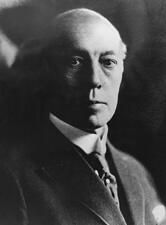
Here you will find contact information for Senator Samuel Morgan Shortridge, including email address, phone number, and mailing address.
| Name | Samuel Morgan Shortridge |
| Position | Senator |
| State | California |
| Party | Republican |
| Status | Former Representative |
| Term Start | April 11, 1921 |
| Term End | March 3, 1933 |
| Terms Served | 2 |
| Born | August 3, 1861 |
| Gender | Male |
| Bioguide ID | S000380 |
About Senator Samuel Morgan Shortridge
Samuel Morgan Shortridge (August 3, 1861 – January 15, 1952) was an American attorney and Republican politician who served as a United States Senator from California from 1921 to 1933. His two terms in the Senate spanned a significant period in American history, encompassing the post–World War I era, the Roaring Twenties, and the onset of the Great Depression, during which he participated in the legislative process and represented the interests of his California constituents.
Shortridge was born in Mount Pleasant, Iowa, on August 3, 1861. In 1875, when he was a teenager, he moved with his family to California, where they settled in San Jose. He attended local schools there until 1879. After leaving school, he worked as a teacher in Napa County for four years, gaining early experience in public life and community affairs. His family was notable in California’s emerging professional and civic circles: his sister, Clara S. Foltz, became the first female lawyer in California in 1878 and, in 1910, the first female deputy district attorney in the United States, and she later assisted him in his campaigns for the Senate. His brother, Charles M. Shortridge, owned the San Jose newspaper The Daily Mercury and in 1895 purchased The San Francisco Call, further entrenching the family in the state’s legal, political, and journalistic life.
In 1883, Shortridge moved to San Francisco to practice law, beginning a long legal career that would underpin his later political prominence. He rose to prominence as a Republican orator and as a leading member of the Bar Association of San Francisco. His legal practice brought him into some of the most contentious public controversies of his time, including the San Francisco graft trials, during which he served as attorney for political boss Abe Ruef. Through his courtroom work and public speaking, he became well known in California Republican circles and developed a reputation as a forceful advocate and skilled political campaigner.
Shortridge’s involvement in national politics predated his Senate career. He served as a presidential elector in 1888, 1900, and 1908, reflecting his standing within the Republican Party in California. In 1914, he sought higher office and entered the Republican primary for the United States Senate. He lost that primary to veteran Congressman Joseph R. Knowland, who was subsequently defeated in the general election by Democrat James D. Phelan. Despite this setback, Shortridge remained active in party affairs and continued to build his profile as a Republican spokesman and attorney.
Shortridge was elected to the United States Senate from California in the 1920 election, benefiting from the broader Republican wave and Warren G. Harding’s post–World War I “Return to Normalcy” campaign. In the general election he defeated incumbent Senator James D. Phelan as well as strong candidates from the Prohibition Party and the Socialist Party of America, winning with approximately 49 percent of the vote. A member of the Republican Party, he contributed to the legislative process during two terms in office. He was reelected in 1926 with about 63 percent of the vote, defeating Democratic challenger John B. Elliott, and he continued to serve until 1933. His Senate tenure placed him at the center of debates over immigration, foreign policy, and domestic economic policy in the interwar period.
During his years in the Senate, Shortridge became a prominent voice for racist anti-Japanese forces in California and in national immigration debates. He argued that a child of Japanese immigrants would regard “himself or herself as a native of Japan. His heart, his affections go out to the native land of the parent.” His claims in 1924, made in the context of restrictive immigration legislation, closely paralleled some of the rationales later invoked to justify the internment of Japanese Americans during World War II. Even among senators who favored limiting immigration from regions outside northern and western Europe, Shortridge’s particularly harsh anti-Japanese stance was regarded by some as extreme and unnecessary. He served two full terms in the Senate before being defeated in a Republican primary in 1932, ending his congressional service in March 1933.
After leaving the Senate, Shortridge returned to legal and governmental work. From 1939 to 1943, he served as a special attorney for the United States Department of Justice in Washington, D.C., continuing his long association with public service at the federal level. Outside of formal office, he remained connected to California’s civic and social networks and was a member of the Bohemian Club, a prominent San Francisco–based social and cultural organization that included many of the state’s political, business, and artistic leaders.
Samuel Morgan Shortridge died in Atherton, California, on January 15, 1952. He was buried at Oak Hill Memorial Park in San Jose, returning in death to the community where he had grown up and first entered public life. His career reflected both the opportunities and the prejudices of his era: a rise from local teacher and San Francisco lawyer to two-term United States Senator and federal attorney, intertwined with a significant role in the nativist and anti-Japanese politics that shaped California and national policy in the early twentieth century.