Governor Thomas Clarke Rye
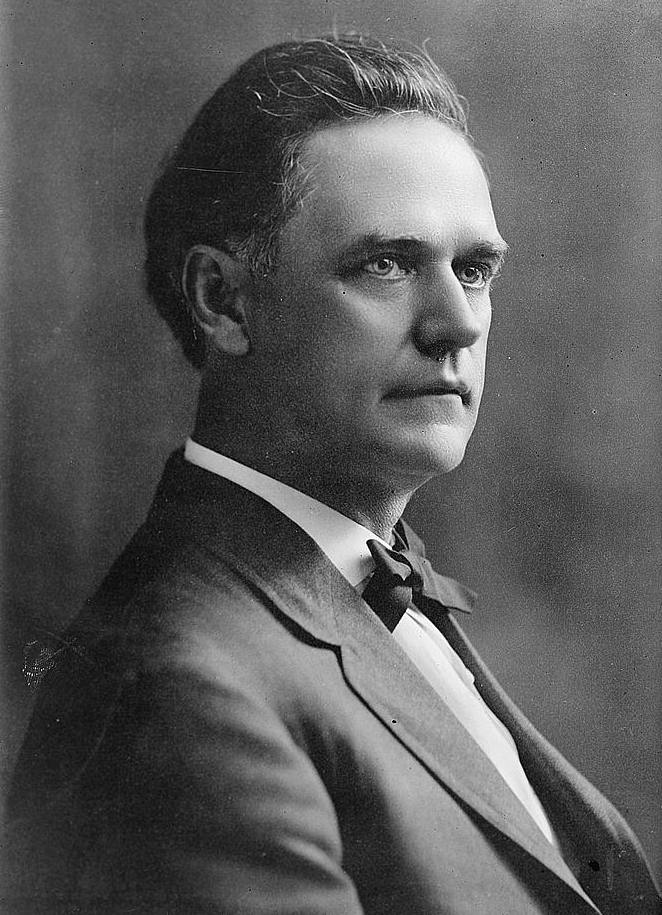
Here you will find contact information for Governor Thomas Clarke Rye, including email address, phone number, and mailing address.
| Name | Thomas Clarke Rye |
| Position | Governor |
| State | Tennessee |
| Party | Democratic |
| Status | Former Representative |
| Term Start | January 1, 1915 |
| Term End | December 31, 1919 |
| Website | Official Website |
About Governor Thomas Clarke Rye
THOMAS CLARKE RYE was born in Camden, Tennessee and educated in the Benton County schools. He studied law with his uncle, Thomas C. Morris, in Charlotte, Tennessee, and was admitted to the Bar in 1884. He practiced law in Camden in partnership with Joseph E. Jones. In 1902 he moved to Paris, Tennessee, where he continued his law practice. In 1910 he became Attorney General of the 13 th Judicial District, a position from which he resigned to undertake what became a successful campaign for governor. Running on a platform that opposed the repeal of prohibition, Rye and the Democratic ticket won back the support of Democrats who had voted Republican in the previous two gubernatorial elections. As governor, Rye was largely successful in his call for the enactment of laws giving the courts greater power to remove corrupt officials, making city officials responsible for the enforcement of state laws, prohibiting liquor advertising, and stopping the shipment of intoxicants. During Rye’s second administration the 18 th Amendment to the U.S. Constitution [the Prohibition amendment] was submitted for ratification. Rye refused to call the legislature into special session to act on the amendment but recommended that it be considered during regular session in January 1919. Rye left after office after two terms, returning to the practice of law in Paris. He was later elected Chancellor of the 8 th Chancery Court of Tennessee in 1922, and served in that position for twenty years until his retirement in 1942. He is buried in Paris.