Representative Thomas Gedney Patten
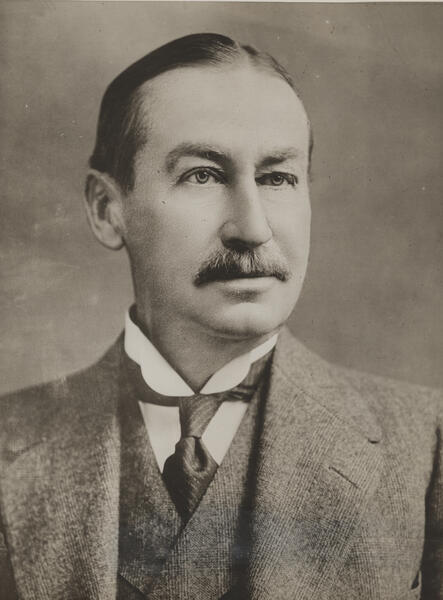
Here you will find contact information for Representative Thomas Gedney Patten, including email address, phone number, and mailing address.
| Name | Thomas Gedney Patten |
| Position | Representative |
| State | New York |
| District | 18 |
| Party | Democratic |
| Status | Former Representative |
| Term Start | April 4, 1911 |
| Term End | March 3, 1917 |
| Terms Served | 3 |
| Born | September 12, 1861 |
| Gender | Male |
| Bioguide ID | P000109 |
About Representative Thomas Gedney Patten
Thomas Gedney Patten (September 12, 1861 – February 23, 1939) was an American lawyer, businessman, and Democratic politician who served three terms as a U.S. Representative from New York from 1911 to 1917. His congressional service took place during a significant period in American history, as the nation moved through the Progressive Era and approached involvement in World War I, and he participated in the legislative process as a member of the House of Representatives representing the interests of his New York constituents.
Patten was born in New York City on September 12, 1861. He received his early education at Mount Pleasant Academy in Ossining, New York, a preparatory institution that drew students from the New York metropolitan area. He subsequently attended Columbia College in New York City from 1877 to 1879, pursuing a classical and liberal arts curriculum typical of the period. Patten then enrolled in Columbia Law School, where he studied from 1880 to 1882, preparing for a professional career in law and public affairs.
After completing his legal studies, Patten became involved in the maritime and transportation sectors that were central to New York’s commercial life. He engaged in the shipping business and went on to operate a fleet of tugboats in New York Harbor, an enterprise that placed him at the center of the city’s bustling port activity. In addition to his tugboat operations, he served as president of the New York & Long Branch Steamboat Company, a position that underscored his prominence in regional transportation and commerce and provided him with executive and administrative experience that would later inform his public service.
Patten entered national politics as a member of the Democratic Party and was elected to the United States House of Representatives from New York. He won election to the Sixty-second Congress and was subsequently reelected to the Sixty-third and Sixty-fourth Congresses, serving from March 4, 1911, to March 3, 1917. During these three terms in office, he contributed to the legislative process at a time when Congress addressed major issues of economic regulation, social reform, and national preparedness. As a Democratic representative, Patten participated in debates and votes that shaped federal policy in the years immediately preceding America’s entry into World War I, and he worked to represent the concerns of his New York constituents in the House of Representatives.
In 1916, Patten sought another term but was an unsuccessful candidate for reelection to the Sixty-fifth Congress. Following the conclusion of his service in the House in March 1917, he remained in public life through an important federal administrative post. From 1917 to 1921, he served as Postmaster of New York City, overseeing one of the largest and most complex postal operations in the United States during and immediately after World War I. In this role he was responsible for managing mail service in a major urban center at a time of rapid growth, increased communication demands, and wartime logistical challenges.
After leaving the postmastership, Patten moved across the country as the American entertainment industry was expanding. In 1922 he relocated to Hollywood, California, which was emerging as the center of the motion picture industry. There he joined the staff of the Motion Picture Producers and Distributors of America, Inc., an organization formed to represent the interests of major film studios and to address public and governmental concerns about the motion picture industry. Patten served on its staff until 1924, applying his administrative and political experience to the developing field of motion picture regulation and public relations, after which he retired from active professional life.
Thomas Gedney Patten spent his remaining years in Hollywood. He died there on February 23, 1939. His remains were interred in Forest Lawn Memorial Park in Los Angeles, California, a cemetery known for being the final resting place of numerous prominent figures. His career, spanning law, maritime commerce, congressional service, federal administration, and involvement with the early motion picture industry, reflected the economic and political transformations of the United States from the late nineteenth century through the interwar period.