Representative Victor Heintz
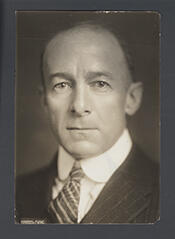
Here you will find contact information for Representative Victor Heintz, including email address, phone number, and mailing address.
| Name | Victor Heintz |
| Position | Representative |
| State | Ohio |
| District | 2 |
| Party | Republican |
| Status | Former Representative |
| Term Start | April 2, 1917 |
| Term End | March 3, 1919 |
| Terms Served | 1 |
| Born | November 20, 1876 |
| Gender | Male |
| Bioguide ID | H000455 |
About Representative Victor Heintz
Victor Heintz (November 20, 1876 – December 27, 1968) was a one-term U.S. Representative from Ohio and a highly decorated veteran of World War I. A member of the Republican Party, he served in the United States House of Representatives from 1917 to 1919, representing his Ohio constituents during a significant period in American history marked by the nation’s entry into World War I and major domestic and international developments.
Heintz’s early life and formative years preceded his emergence on the national stage, but by the time of his election to Congress he had established himself sufficiently within his community and party to win federal office. His background and experiences helped shape his approach to public service, and he entered national politics at a time when questions of military preparedness, economic mobilization, and America’s role in world affairs were at the forefront of public debate.
Elected as a Republican, Heintz took his seat in the House of Representatives in 1917 and served one term, leaving office in 1919. During this period, he contributed to the legislative process as the United States shifted from neutrality to active participation in World War I. As a member of the House, he participated in the democratic process and represented the interests of his Ohio constituents while the federal government undertook large-scale wartime mobilization, addressed issues of national security, and began to confront the challenges of postwar adjustment.
Heintz’s congressional service coincided directly with his military commitment. While still a sitting member of Congress, he entered active duty during World War I and went overseas on June 22, 1918. He served with American forces in Europe from that date until the end of the war, exemplifying the dual role of legislator and soldier at a moment of national crisis. His wartime service placed him in the midst of some of the most intense combat operations undertaken by American troops during the conflict.
For his actions in World War I, Heintz received some of the highest decorations awarded to American and allied soldiers. He was decorated with the Distinguished Service Cross with Oak Leaf Cluster, signifying a second award of that decoration, as well as the Silver Star Medal and the Purple Heart. In recognition of his valor by an allied nation, he was also awarded the French Croix de Guerre. These honors reflected repeated acts of extraordinary heroism and personal courage under fire.
After the conclusion of his term in Congress in 1919 and the end of his wartime service, Heintz returned to private life, his public career marked by the unusual combination of legislative service and front-line military duty during a global conflict. He lived for several decades after leaving office, witnessing the profound political and social changes of the mid-twentieth century. Victor Heintz died on December 27, 1968, his life spanning from the post–Civil War era through both World Wars and into the modern age, and his record distinguished by service both in the halls of Congress and on the battlefield.