Senator Walter Leake
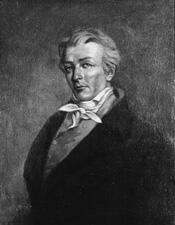
Here you will find contact information for Senator Walter Leake, including email address, phone number, and mailing address.
| Name | Walter Leake |
| Position | Senator |
| State | Mississippi |
| Party | Republican |
| Status | Former Representative |
| Term Start | December 1, 1817 |
| Term End | March 3, 1821 |
| Terms Served | 1 |
| Born | May 25, 1762 |
| Gender | Male |
| Bioguide ID | L000177 |
About Senator Walter Leake
Walter Daniel Leake (May 20, 1762 – November 17, 1825) was an American lawyer, planter, soldier, and politician who served in both the Virginia and Mississippi governments and became the third Governor of Mississippi. Born in Virginia, he came of age during the American Revolutionary War and entered public life early, combining military service with an emerging legal and political career. He later became associated with the Republican Party, the dominant national political organization of the era that evolved from the Democratic-Republican Party founded by Thomas Jefferson and James Madison.
During the American Revolutionary War, Leake served in the patriot cause, an experience that helped establish his standing in Virginia public life. Following the war, he read law and entered the legal profession, building a reputation as a lawyer and planter. His growing prominence led to election to the Virginia House of Delegates, where he served as a member of the state legislature. In this capacity he participated in shaping post-Revolutionary policy in Virginia during the formative years of the new republic. His family maintained a political presence in Virginia long after his own service; a relative, also named Walter D. Leake, later served many terms in the Virginia House of Delegates beginning in 1842 and represented Goochland County in the Virginia Secession Convention on the eve of the Civil War.
Seeking new opportunities on the expanding American frontier, Leake moved from Virginia to the Mississippi Territory, where he continued his legal career and became a judge. In the territorial period he helped administer justice in a region undergoing rapid settlement and political development as it moved toward statehood. His judicial service in the territory contributed to his reputation as a capable public official and positioned him for higher office once Mississippi entered the Union.
With Mississippi’s admission as a state in 1817, Leake was chosen as a United States Senator from Mississippi, serving in the United States Congress from 1817 to 1821. A member of the Republican Party, he served one term in the Senate during a significant period in American history, often associated with the “Era of Good Feelings” following the War of 1812. In the Senate, he participated in the legislative process at the national level and represented the interests of his Mississippi constituents as the new state sought to establish its place in the Union. His service in Congress, recorded as running from 1817 to 1821, coincided with the broader transition of the Democratic-Republican Party as it became the predominant national political force.
After leaving the Senate, Leake returned to judicial service in Mississippi. In 1821 he served as a circuit court judge, continuing his long association with the law and the courts. His experience as both legislator and jurist made him a prominent figure in the state’s public affairs and a natural candidate for executive leadership as Mississippi’s political institutions matured in the early years of statehood.
Leake was elected the third Governor of Mississippi and served from 1822 until his death in 1825. As governor, he presided over a young and rapidly developing state, addressing issues related to land, settlement, and the organization of state government. His tenure was marked by efforts to consolidate civil authority and legal order in a frontier environment, and he remained in office until he became the first Governor of Mississippi to die while serving in that position. Walter Daniel Leake died on November 17, 1825, in office, leaving a legacy as a Revolutionary War veteran, legislator, judge, United States Senator, and governor who helped shape the early political and legal foundations of both Virginia and Mississippi.