Senator William Boyd Allison
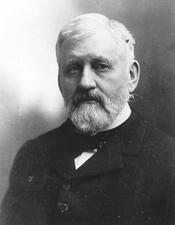
Here you will find contact information for Senator William Boyd Allison, including email address, phone number, and mailing address.
| Name | William Boyd Allison |
| Position | Senator |
| State | Iowa |
| Party | Republican |
| Status | Former Representative |
| Term Start | December 7, 1863 |
| Term End | March 3, 1909 |
| Terms Served | 10 |
| Born | March 2, 1829 |
| Gender | Male |
| Bioguide ID | A000160 |
About Senator William Boyd Allison
William Boyd Allison served as a Senator from Iowa in the United States Congress from 1863 to 1909. A member of the Republican Party, William Boyd Allison contributed to the legislative process during 10 terms in office.
William Boyd Allison’s service in Congress occurred during a significant period in American history. As a member of the Senate, William Boyd Allison participated in the democratic process and represented the interests of constituents.
William Boyd Allison (March 2, 1829 – August 4, 1908) was an American politician. An early leader of the Iowa Republican Party, he represented northeastern Iowa in the United States House of Representatives before representing his state in the United States Senate. By the 1890s, Allison had become one of the “big four” key Republicans who largely controlled the Senate, along with Orville H. Platt of Connecticut, John Coit Spooner of Wisconsin and Nelson W. Aldrich of Rhode Island. Born in Perry, Ohio, Allison established a legal practice in Dubuque, Iowa and became a prominent member of the nascent Iowa Republican Party. He was a delegate to the 1860 Republican National Convention and won election to the House of Representatives in 1862. He served four terms in the House and won election to the Senate in 1872. He became chairman of the powerful Senate Appropriations Committee, serving for all but two years between 1881 and 1908. Four different Republican presidents asked Allison to join their Cabinet, but Allison declined each offer. A significant number of delegates supported his presidential nomination at the 1888 and 1896 Republican National Conventions. Allison emerged as a centrist and pragmatic leader in the Senate, and he helped pass several important bills. The Bland–Allison Act of 1878 restored bimetallism, but in a less inflationary manner than had been sought by Congressman Richard P. Bland. A prominent advocate of higher tariffs, Allison played a major role in the passage of the McKinley Tariff and the Dingley Act. He also helped pass the Hepburn Act by offering the Allison amendment, which granted courts the power to review the Interstate Commerce Commission’s railroad rate-setting. Allison sought a record seventh term in 1908, but died shortly after winning the Republican primary against progressive leader Albert B. Cummins.