Senator William Stanley West
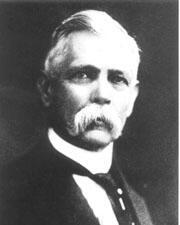
Here you will find contact information for Senator William Stanley West, including email address, phone number, and mailing address.
| Name | William Stanley West |
| Position | Senator |
| State | Georgia |
| Party | Democratic |
| Status | Former Representative |
| Term Start | March 2, 1914 |
| Term End | March 3, 1915 |
| Terms Served | 1 |
| Born | August 23, 1849 |
| Gender | Male |
| Bioguide ID | W000305 |
About Senator William Stanley West
William Stanley West (August 23, 1849 – December 22, 1914) was a Democratic United States Senator from the state of Georgia who served in the Senate from 1914 to 1915. A member of the Democratic Party, he contributed to the legislative process during one term in office and is notable for being the first person appointed to the Senate after ratification of the Seventeenth Amendment made that possible. His brief tenure in Congress occurred during a significant period in American history, as the nation was adjusting to new constitutional procedures for the direct election of senators and confronting early twentieth-century political and economic reforms.
West was born on August 23, 1849, in Lowndes County, Georgia. He came of age in the Reconstruction-era South, an environment that shaped his later views on law, governance, and regional development. Details of his early family life are sparse in the public record, but his subsequent legal and political career indicates that he received a solid grounding in the classical and legal education typical of Southern professionals of his generation. Growing up in rural Georgia, he was exposed to the agricultural economy and local concerns that would later inform his public service and representation of his constituents.
Educated in the law, West was admitted to the bar and began practicing as an attorney in Georgia. His legal career provided the foundation for his entry into public life, as he became known in his community for his professional competence and engagement with civic affairs. Through his work as a lawyer, he developed familiarity with state and local governance, property issues, and the legal challenges facing Georgians in the post–Civil War and post-Reconstruction periods. This legal background prepared him for the responsibilities of higher office and helped establish his reputation within the Democratic Party in Georgia.
Before his service in the United States Senate, West built a career in state and local politics, where he participated in the evolving political landscape of the New South. As a Democrat in a period when the party dominated Georgia politics, he aligned with the prevailing regional priorities of economic development, agricultural interests, and the maintenance of local control over political affairs. His public roles at the state level, combined with his legal practice, positioned him as a trusted figure capable of representing Georgia’s interests in Washington when a Senate vacancy arose.
West’s congressional service began in 1914, when he was appointed to the United States Senate from Georgia. His appointment was historically significant: he was the first person appointed to the Senate after the ratification of the Seventeenth Amendment to the United States Constitution, which provided for the direct election of senators by the people but still allowed for temporary appointments by state authorities to fill vacancies. Serving from 1914 to 1915, he participated in the democratic process during a time when the federal government was addressing issues such as regulatory reform, economic policy, and the early impacts of global tensions that would soon lead to World War I. As a senator, he represented the interests of his Georgia constituents within this broader national context, contributing to debates and legislation consistent with Democratic priorities of the era.
Although his tenure in the Senate was relatively brief, West’s service coincided with the early implementation of the Seventeenth Amendment and the continuing transformation of the Senate’s relationship to the electorate. His role as an appointed senator under the new constitutional framework underscored the transitional nature of American democracy in the Progressive Era, as states and the federal government adjusted to reforms intended to make the Senate more directly accountable to voters. Within this framework, West’s work reflected both the traditional influence of state-level party structures and the emerging expectations of more direct public representation.
William Stanley West died on December 22, 1914, while still in office, bringing his Senate service and long public career to an end. His death marked the conclusion of a life spent in the law and in public service to Georgia during a period of profound political and constitutional change. Remembered in congressional records as a Democrat, a United States Senator from Georgia, and the first senator appointed under the Seventeenth Amendment, he occupies a distinct place in the institutional history of the Senate and in the broader narrative of the nation’s evolving democratic processes.